| |  | On the Hill | | Boxgate ramps up in two important ways | 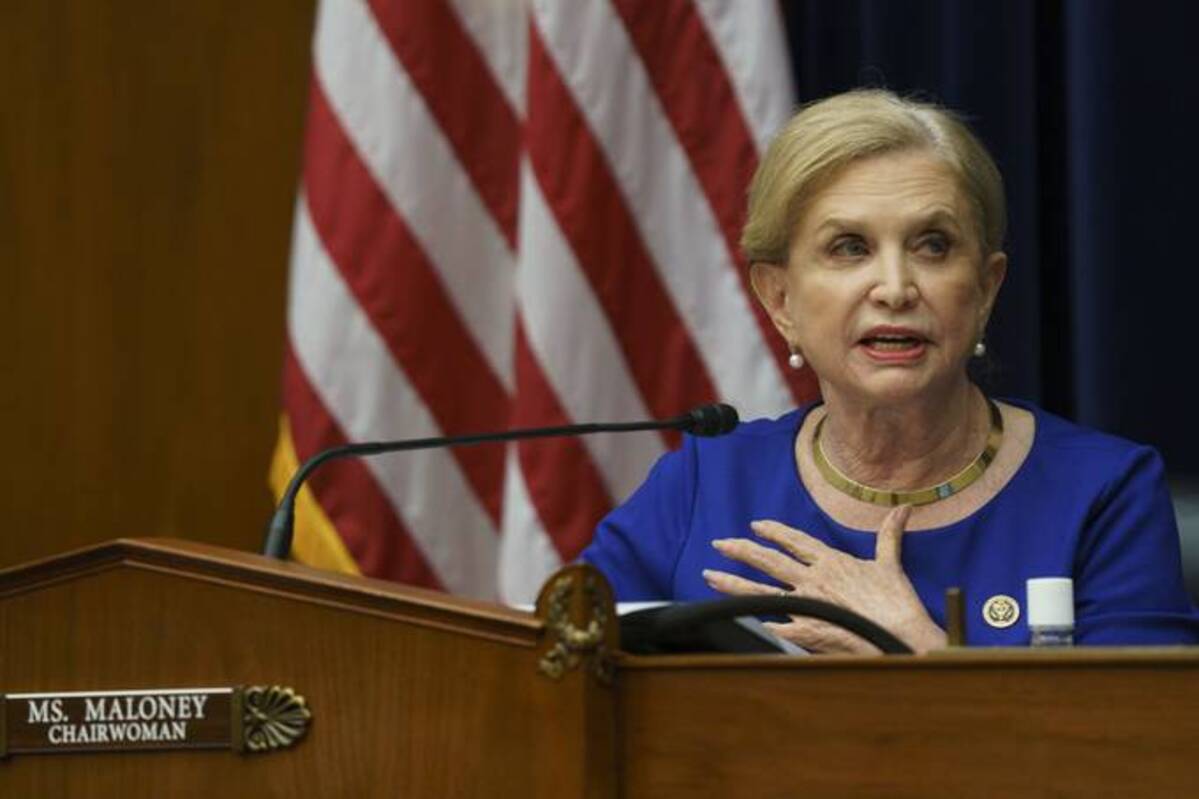 Rep. Carolyn Maloney (D-N.Y.) wants to know what the National Archives know about what's in the boxes found at Donald Trump's Mar-a-Lago resort. | | | Boxgate, cont.: Former president Donald Trump's problems ramped up on Wednesday in two significant ways when it comes to his record-keeping practices. The Post scooped that the National Archives and Records Administration has asked the Justice Department to investigate Trump's handling of his presidential records, sparking discussions among federal law enforcement officials about whether they should investigate the former president for a possible crime, according to two people familiar with the matter, as Matt Zapotosky, Jackie, Ashley Parker, and Josh Dawsey reported. And Wednesday night, The Early learned that House Oversight Committee Chairwoman Carolyn Maloney (D-N.Y.) sent a letter to NARA with a list of very specific questions. She asked for a detailed inventory of the contents of the 15 recovered boxes; a description of records that Trump "destroyed or attempted to destroy" without the approval of the Archives; and an answer to whether the contents are undergoing a review to determine if they contain classified information. Maloney also asked if "the Archivist has notified the Attorney General that former President Trump removed presidential records from the White House." "Removing or concealing government records is a criminal offense punishable by up to three years in prison," Maloney wrote. "Former National Security Advisor Sandy Berger, for example, was prosecuted for taking classified documents from NARA. Former President Trump and his senior advisors must also be held accountable for any violations of the law." The letter: | 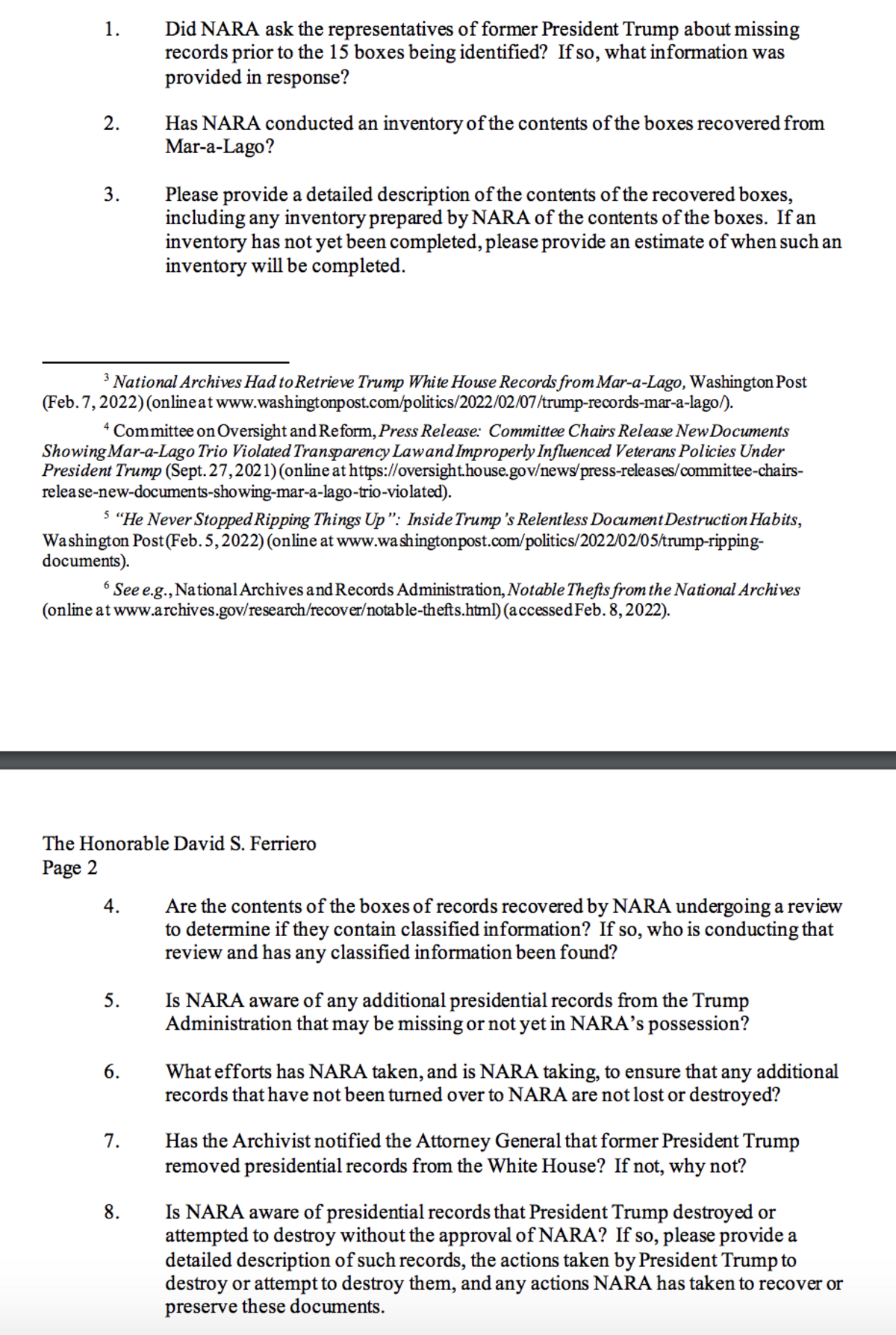 A screenshot of the letter from Maloney to the Archives. | | | Taken together, the Archives's action and Maloney's vow cast a larger spotlight on the issue of Trump's sloppy compliance with the Presidential Records Act — and promise more uncomfortable scrutiny for the former president in the months to come. | | Looking ahead: "Archives officials suspected Trump had possibly violated laws concerning the handling of government documents — including those that might be considered classified — and reached out to the Justice Department, the people familiar with the matter" told Matt, Jackie, Ashley and Josh. | - "The people spoke on the condition of anonymity to discuss a politically sensitive request. The two people said the discussions about the matter remained preliminary, and it was not yet clear whether the [DOJ] would investigate. The department also might be interested in merely reclaiming classified materials. A [DOJ] spokesman declined to comment."
| | In her letter, Maloney notes that "Republicans in Congress obsessively investigated former Secretary of State Hillary Clinton for her use of a private email server for official communications," while "Trump's conduct, in contrast, involves a former president potentially violating a criminal law by intentionally removing records, including communications with a foreign leader, from the White House and reportedly attempting to destroy records by tearing them up." The deadline for Maloney's request: Feb. 18. | | Lawyers be lawyering: "Federal law makes it a crime to destroy government records, but it requires that a person know specifically they are breaking the law when doing so. That could be difficult to do for Trump, who advisers say tore up documents out of habit, leaving staffers to retrieve and reassemble piles of torn paper. According to people familiar with the matter, Trump had been counseled by at least two chiefs of staff and the White House counsel to follow the law on preserving documents," per Matt, Jackie, Josh and Ashley. "If they don't investigate, given how flagrant these violations appear to be, it would basically be saying there is no accountability under the statute," said Anne Weismann, the longtime chief counsel for Citizens for Ethics and Responsibility in Washington. | - "Imagine the scenario if Trump was reelected and what that would mean, and there was no consequences for all of these violations. He could have an entire White House that just thumbed their nose at the Presidential Records Act. I understand through the climate we live in, everything is viewed through a political lens. But I don't think that should stop the Justice Department at all," Weismann added.
| | Anne Weismann, chief counsel for @CREWcrew on Trump's record-keeping | "Imagine the scenario if Trump was reelected and what that would mean, and there was no consequences for all of these violations." | | | | | | | Violent threats against members of Congress continue to trend after Trump |  Rep. Ilhan Omar (D-Minn.) plays a recording of a death threat left on her voicemail during a news conference on Nov. 30, 2021. (J. Scott Applewhite/AP Photo) | | | 'A chilling trend': "Early one morning in November 2019, Rep. Rodney Davis (R-Ill.) received a profanity-laden voice mail message at his office in which the caller identified himself as a trained sharpshooter and said he wanted to blow the congressman's head off," the New York Times's Catie Edmondson and Mark Walker write. | - "Two years earlier, Rep. Maxine Waters (D-Calif.) received a similar voice mail message from an irate man who falsely accused her of threatening Trump's life. 'If you do it again, you're dead,' he said, punctuating the statement with expletives and a racial epithet against Waters, who is Black."
- "Across the country, the office of Rep. Ilhan Omar (D-Minn.) received a profane call from a man who said that someone should 'put a bullet' in her skull, before leaving his name and phone number."
- "The cases were part of a Times review of more than 75 indictments of people charged with threatening lawmakers since 2016. The flurry of cases shed light on a chilling trend: In recent years, and particularly since the beginning of Trump's presidency, a growing number of Americans have taken ideological grievance and political outrage to a new level, lodging concrete threats of violence against members of Congress."
| | "The threats have come in almost every conceivable combination: Republicans threatening Democrats, Democrats threatening Republicans, Republicans threatening Republicans. Many of them, the review showed, were fueled by forces that have long dominated politics, including deep partisan divisions and a media landscape that stokes resentment." | - "But they surged during Trump's time in office and in its aftermath, as the former president's own violent language fueled a mainstreaming of menacing political speech and lawmakers used charged words and imagery to describe the stakes of the political moment."
- "Far-right members of Congress have hinted that their followers should be prepared to take up arms and fight to save the country, and in one case even posted a video depicting explicitly violent acts against Democrats."
| | |  | At the White House | | Biden to propose pay raise for federal employees, the biggest hike in 15 years | 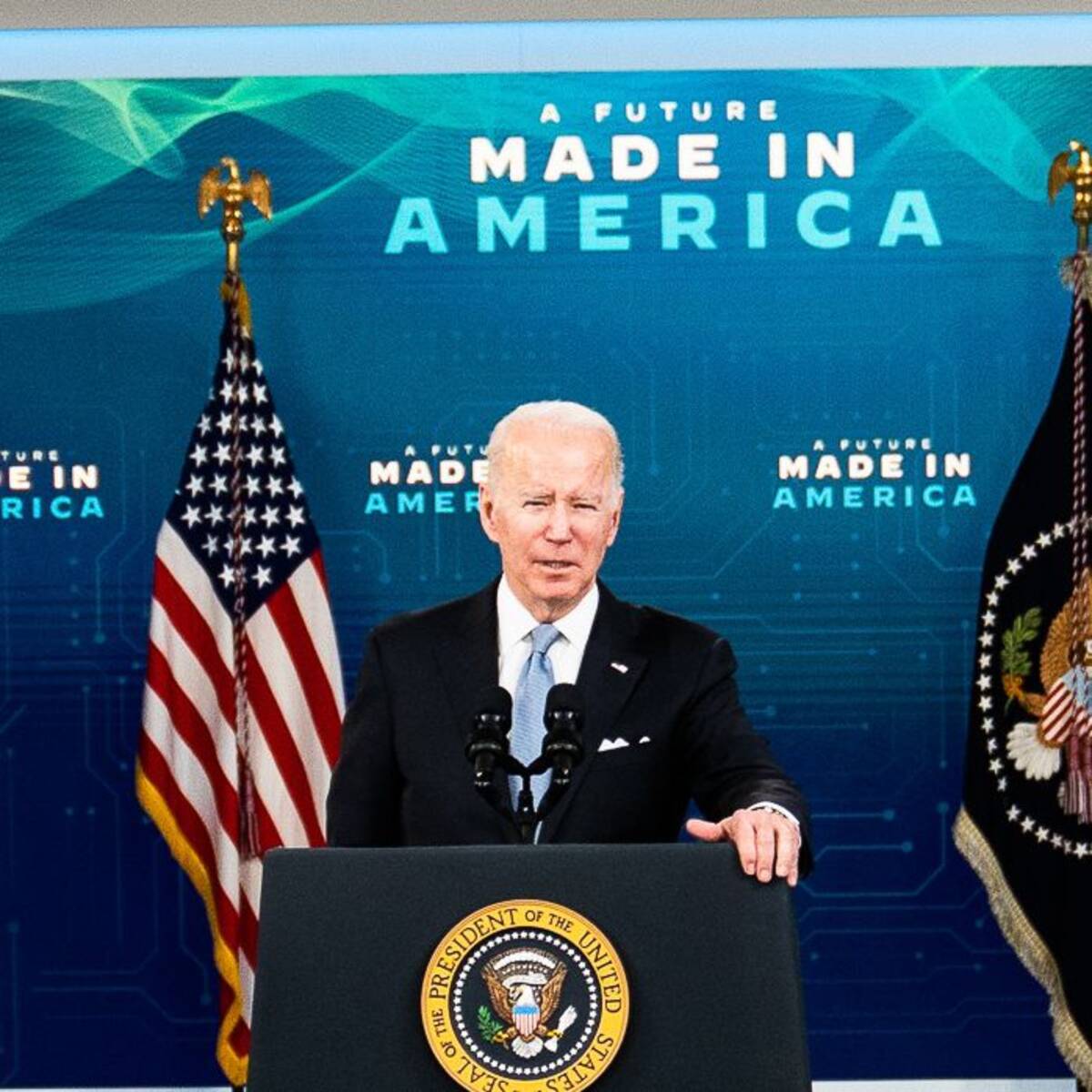 President Biden delivers remarks on his administration's work to rebuild manufacturing and create good-paying union jobs on Feb. 8. (Demetrius Freeman/The Washington Post) | | | 💸Getting to the money: "Federal employees and military service members would receive average raises of 4.6 percent next January under the budget President Biden will propose in March, marking what would be the workforce's largest salary hike in two decades," senior officials at two federal agencies told our colleague Lisa Rein. | - The salary proposal "represents the second year that Biden has relied on guidance from a federal pay law that calls for tying raises to a Labor Department index of private-sector wage growth called the Employment Cost Index, in this case growth from October 2020 through September 2021."
- "Biden's approach underscores his administration's close partnership with unions, whose collective bargaining power in the federal government is limited to working conditions, not wages, which are set instead by Congress. Biden established a contrast with the Trump administration early in his presidency with executive orders and rhetoric that shifted course from what was widely viewed as hostility toward civil servants by Trump."
- "Federal employee unions have enjoyed renewed clout in the current administration, for example, by largely setting the direction at some agencies for when their members will return to the office from remote work during the pandemic, in some cases pushing return dates well into the spring. Permanent telework is also expected to be a fixture of post-pandemic work life for some federal employees."
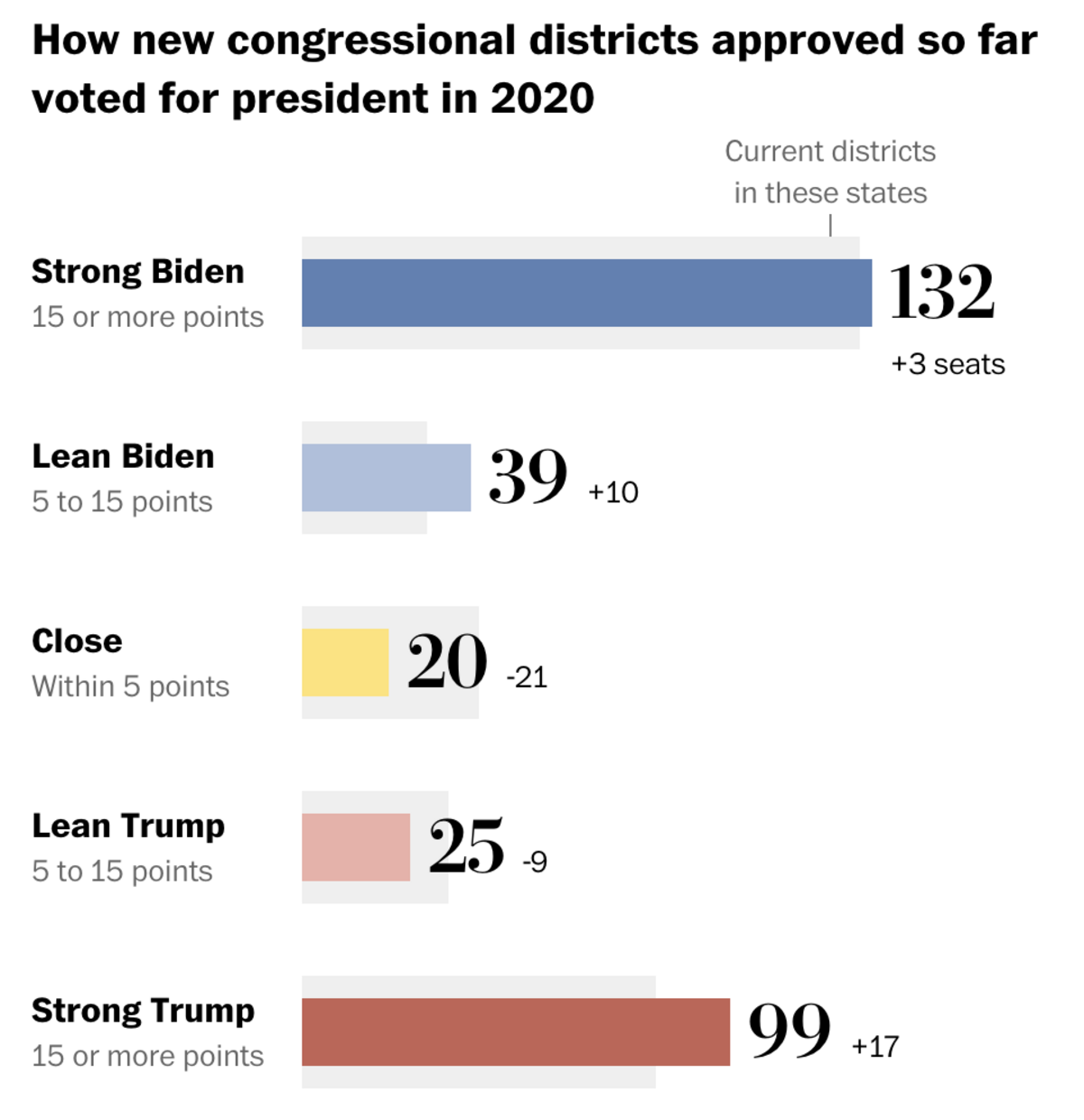
| | |  | The Data | | | The political leanings of the newest congressional districts, visualized: "The march to the 2022 midterm elections is on, as states work to complete their new congressional maps following the 2020 Census," our colleagues Adrian Blanco, Kevin Schaul and Ashlyn Still write. "As of Feb. 9, 38, of the 50 states have settled on the boundaries for 315 of 435 U.S." | - "Republicans have already drawn advantageous lines in Texas, North Carolina and Ohio. Democrats control fewer districts overall but have used Illinois and Oregon to make gains so far."
- "Many state legislatures are approving maps that eliminate competition in favor of more solidly Republican or Democratic districts. Approved maps are already facing legal challenges that could delay their use or lead to court-mandated changes. In the last redistricting cycle, legislative deadlocks and legal challenges resulted in many districts eventually being determined by courts."
| | |  | The Media | | | |  | Viral | | | Who said politicians weren't relatable? | 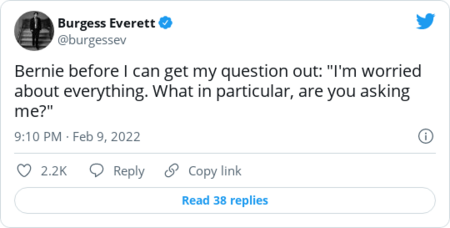 Me too, Bernie. Me too. | | | | AM/PM | | Looking for more analysis in the afternoon? | | | | Weekday newsletter, PM |  | | | | | | |




Comments
Post a Comment